
The NSW Government’s Low and Mid-Rise (LMR) Housing Policy is designed to create more housing choice and diversity by encouraging well-located medium-density housing near centres, services, and public transport.
What is the Low and Mid-Rise Housing Policy?
The policy is part of the State Environmental Planning Policy (Housing) 2021 and adjusts planning controls to enable more low-rise and mid-rise housing within walking distance of nominated town centres and transport hubs.
What counts as low-rise vs mid-rise?
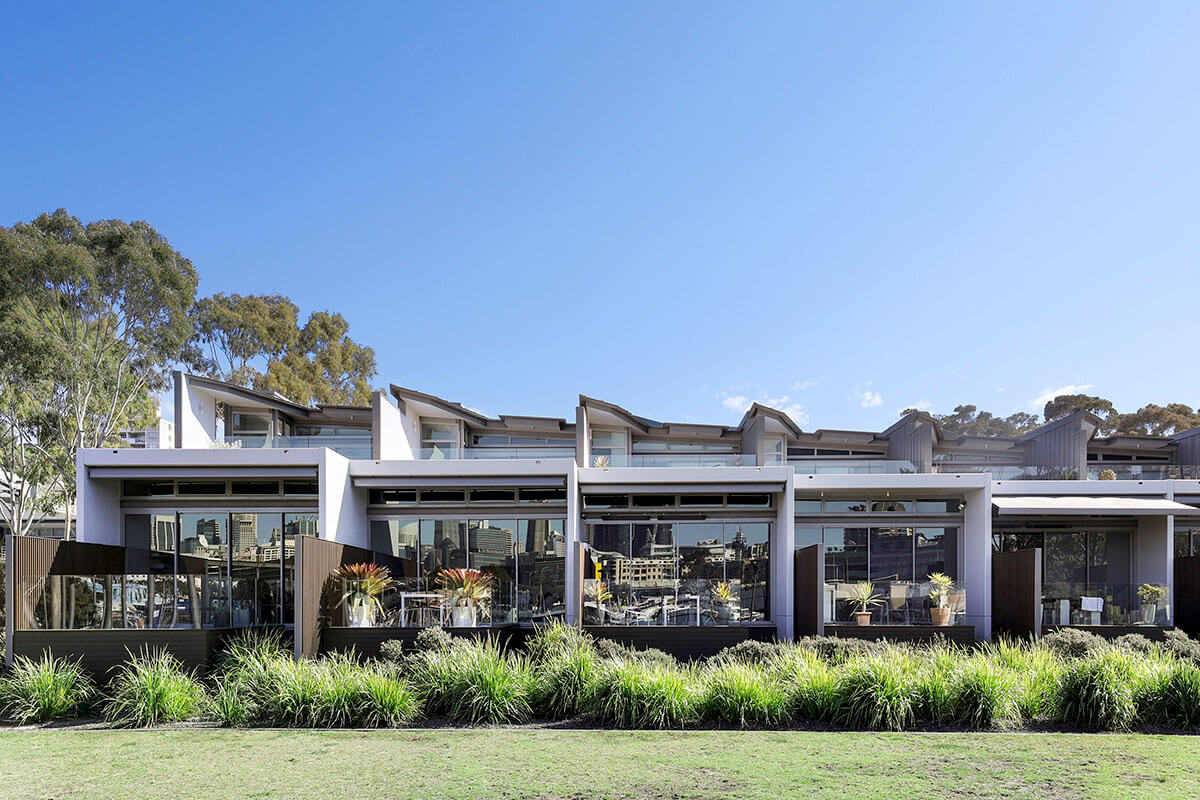
- Low-rise housing (generally 1–2 storeys): dual occupancies, terraces, townhouses, and low-rise apartment buildings.
- Mid-rise housing (generally 3–6 storeys): medium-density apartment buildings close to transport and services.
Two-stage implementation (high level)
- Stage 1 (from 1 July 2024): expanded permissions for dual occupancies / semi-detached homes in R2 zones across NSW.
- Stage 2 (from 28 Feb 2025): new controls encouraging dual occupancies, terraces, townhouses, apartments and shop-top housing in nominated regions.
Where does the policy apply?
The LMR controls apply in selected residential areas within an 800m walking distance of nominated town centres and stations. For owners in Sydney’s Lower North Shore (including Mosman and surrounding suburbs), this can create new opportunities for development— depending on zoning and site eligibility.
What it may mean for property owners
- Additional development options (e.g., dual occupancy) where previously only one dwelling was permitted.
- More pathways for terraces/townhouses on suitable sites.
- Potential for low-rise or mid-rise apartments in well-located areas.
Official reference: NSW Planning Portal – Low and Mid-Rise Housing Policy.
If you’re exploring development potential under the LMR Policy, the first step is confirming whether your property is inside a designated area and what controls apply to your specific lot.