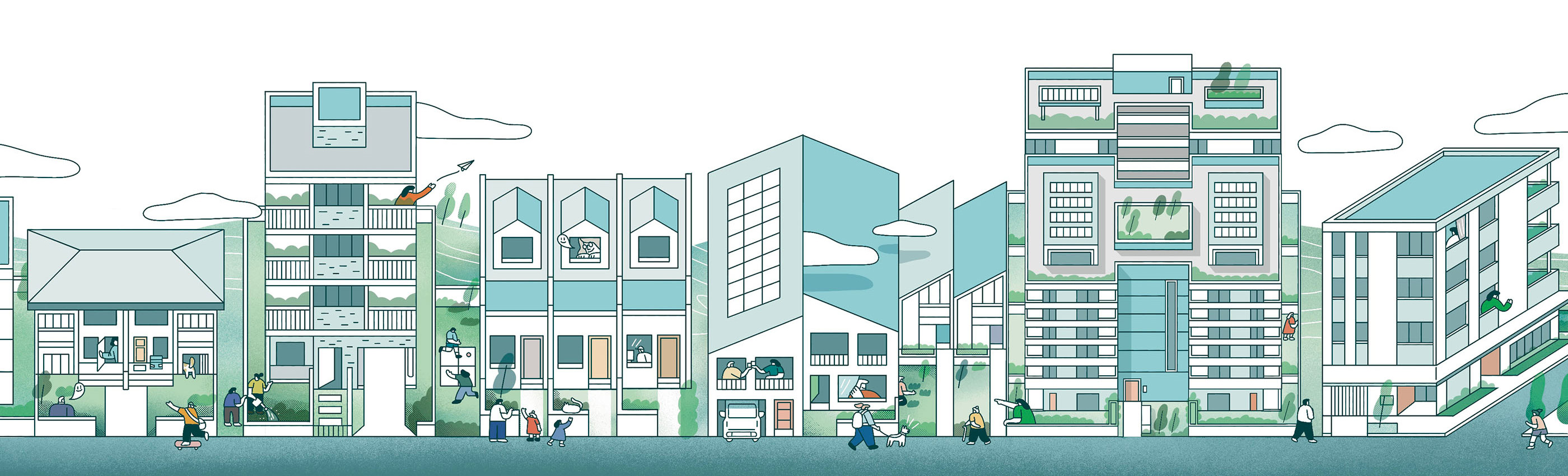
Building designers help turn your ideas into a compliant, buildable design—guiding you through planning controls, approvals, and construction documentation. In NSW, you may also hear about “pattern books”: standardised design templates created to streamline approvals for certain types of residential projects.
What does a building designer do?
- Assess the site constraints and opportunities
- Review zoning/planning controls and approval pathways (DA / CDC)
- Develop concept options and refine the preferred scheme
- Coordinate consultants (engineering, survey, energy/BASIX)
- Produce documentation for approvals and construction
What are NSW pattern books?
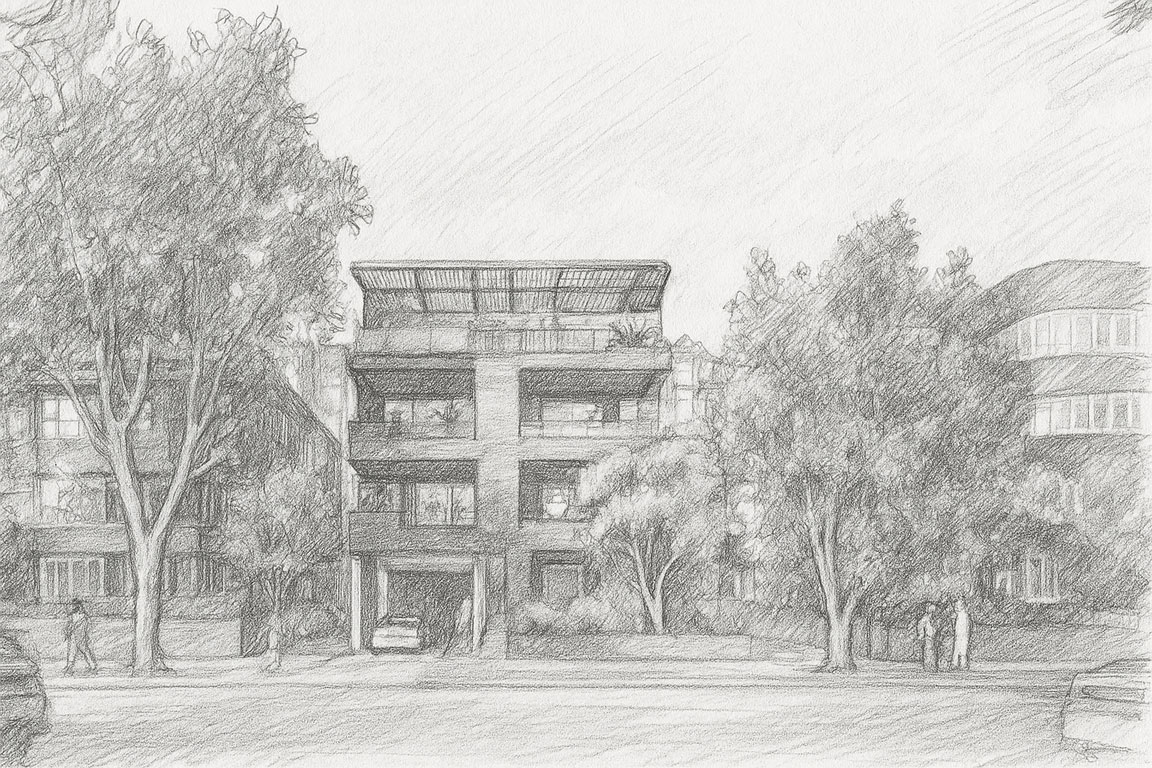
Pattern books provide pre-assessed design approaches that can speed up the planning process while supporting consistent design quality. The NSW Housing Pattern Book includes endorsed designs for low- and mid-rise developments.
When pattern books can help
- Simple, repeatable building types where speed and certainty matter
- Feasibility studies comparing options for a site
- Early-stage planning alignment before committing to full bespoke design
Pattern books vs custom design
Pattern books can reduce time and complexity, but they may not suit challenging sites (slope, access, heritage constraints) or projects where you want a highly tailored outcome (views, unique planning constraints, premium specification).
The best next step is usually a site and controls review—so you understand whether a pattern-based approach is appropriate, or whether a bespoke design will deliver better value and outcomes.